
Waterproofing services
Wall crack repair and leakage treatment
Wall crack repair and leakage treatment from RPC Constructions starts with finding the leak. An engineer traces where the water comes from and what the crack means, and then our own crew seals it, by injection grouting, crack filling or structural repair, depending on the cause.
This is the service to call when you can see the damage but not the source: a ceiling that drips, a wall that stays damp, a crack that keeps coming back. We work across Erode, Coimbatore, Krishnagiri and Hosur, and if the cause turns out to be the terrace, a bathroom or an outer wall, we say so and treat that.
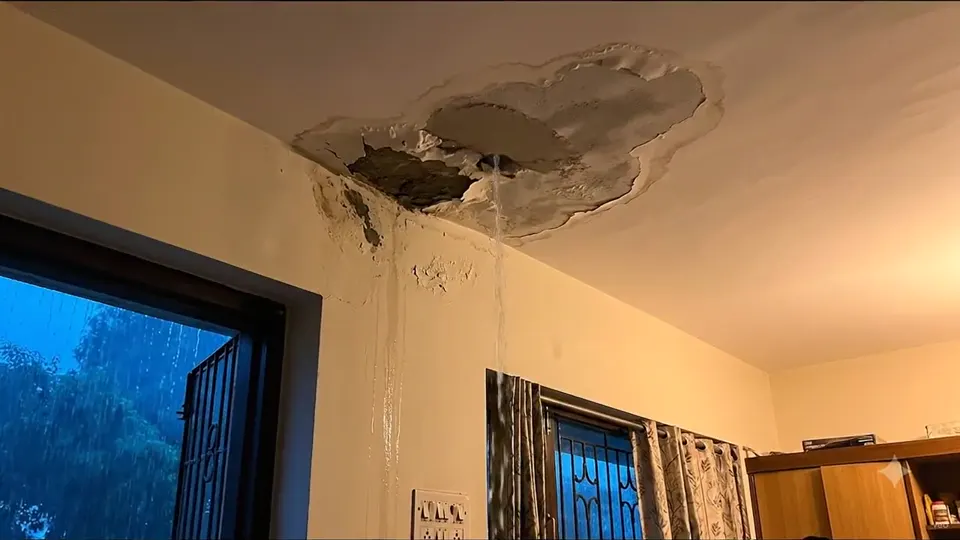
- Freeleak trace and crack check by an engineer
- Source firstwe find the cause before we quote
- Own crewsno subcontractors on your site
Know the signs
Signs you need crack or leak treatment
Some cracks are only in the plaster; others let water in or point to movement. Have these checked.
A ceiling that drips or stays damp
Water on the ceiling with no obvious source above, or a stain that grows after rain or after the tank fills.
Cracks that grow or come back
Cracks that widen, or reopen after they have been filled and painted, show the wall or slab is still moving.
Diagonal cracks at doors and windows
Cracks running at an angle from the corners of openings can point to settlement and need an engineer's look.
Damp at the bottom of walls
A damp band up to knee height with a salt line above it, inside and out: rising damp from the ground.
Rust stains and falling concrete
Brown streaks or pieces of concrete dropping from beams, columns or slabs mean the steel inside is corroding.
Water through joints
Seepage along the joint between two pours of concrete, or between a wall and a beam.
Methods
Crack and leak repair methods
Whether the crack is wet or dry, and still moving or not, decides the method.
| Method | Best for | Works on an active leak? | Notes |
|---|---|---|---|
| PU injection grouting | Leaking cracks and joints in slabs, walls and basements | Yes | The resin reacts with water and expands to fill the crack |
| Epoxy injection | Dry structural cracks that need their strength back | No, the crack must be dry | Bonds the two faces of the concrete back together |
| Cementitious injection grouting | Honeycombs and voids inside concrete | After the flow is stopped | Fills hollow concrete from inside |
| Rapid plug | Running leaks at spots, holes and pipe entries | Yes | Sets in minutes against flowing water |
| Crack filling | Plaster and hairline cracks | No | V-cut, filled with polymer mortar or sealant, then coated |
| Structural concrete repair | Spalled concrete with rusting steel | No | Steel cleaned and primed, then rebuilt with repair mortar |
Filling a crack that is still moving only moves the crack. Where there are signs of settlement, an engineer checks the structure first.
Water leakage detection: finding the source first
A stain is rarely under the point where water enters. Water travels along slabs, steel and pipes before it shows. So we start with the pattern: when the damp appears, after rain, after a bath, when the tank fills, or all the time. Then we read the damp with a moisture meter, flood-test bathrooms and terraces one at a time, and pressure-test the pipes, without breaking tiles.
You get a written note of what we found. If the source is a terrace, a bathroom, a tank or an outer wall, we treat that; if it is a crack, a joint or the structure, the repair is done here.
- Moisture-meter readings of walls and ceilings
- Flood tests of terraces and wet areas, one at a time
- Pressure tests of supply lines
- A written note of the cause before any quote
Injection grouting: PU and epoxy
Injection grouting seals a crack from inside instead of patching the surface. We drill small holes along the crack, fix injection ports, and pump in the grout under pressure until it comes out at the next port. PU grout reacts with water and foams to fill the crack, so it stops leaks even while water is flowing. Epoxy grout sets hard and bonds the concrete back together, so it is used on dry cracks that need their strength restored.
Once the grout has set, the ports come out and the holes are filled, ready for paint or a waterproof coat.
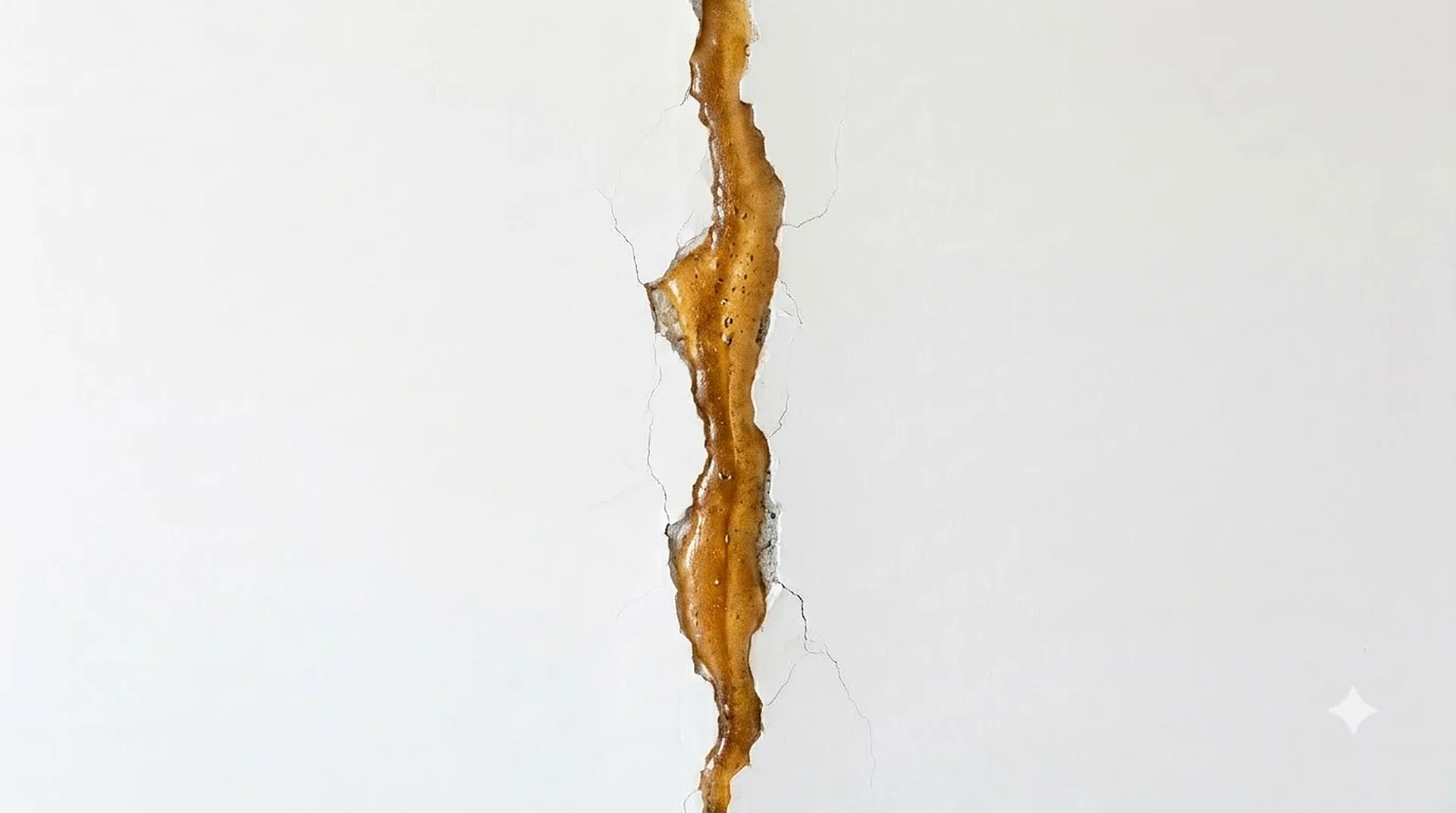
Ceiling leakage repair
Ceiling leakage is the problem we are called for most. Once we know where the water comes from, the repair is two parts: stop the water at the source, and treat the slab itself. Leaking cracks and joints are injected from below; where the steel has rusted, the concrete is cut back, the bars cleaned and primed, and the section rebuilt with repair mortar.
Rising damp treatment
Rising damp is ground water drawn up into the wall, common in older houses with no damp-proof course. It shows as a damp band at the bottom of the wall with a salt line above it. We remove the salt-loaded plaster, inject a chemical damp-proof barrier just above floor level, and re-plaster with a waterproofed, breathable mortar. Damp higher up that comes with rain is treated with external wall waterproofing.
Materials
The products we use for crack and leak repair
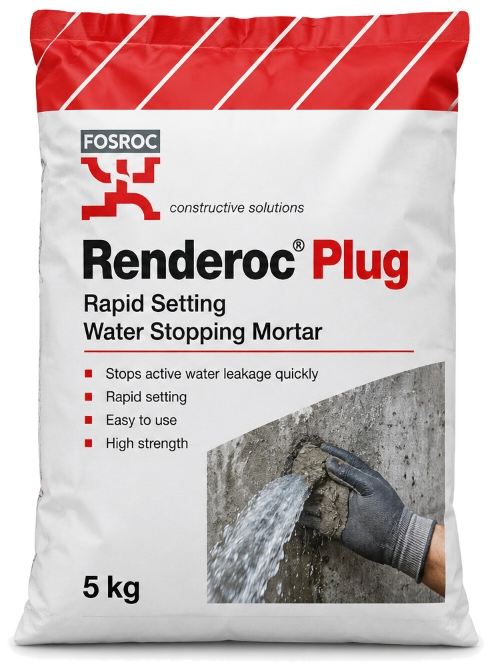
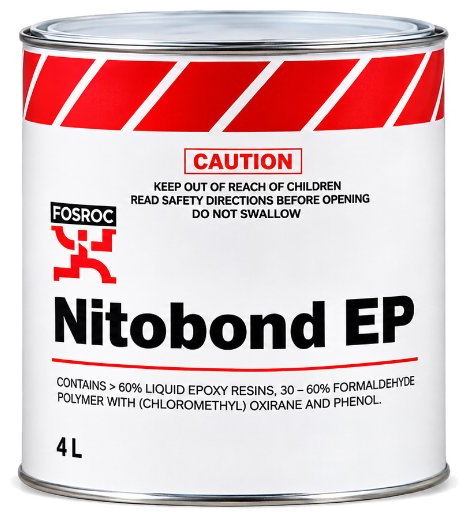
A rapid plugging mortar, an epoxy bonding agent, structural repair mortars, and a rust cleaner and primer for exposed steel, from Fosroc and Sika. We supply them too, so you can see each one and what it is for.
- Products for the jobSpalled concrete repairBeams, columns and slabs where the steel shows
- Products for the jobMachine bases and fixingsBase plates, bolts and anchor pockets
-
Fosroc
Fosroc Rendroc Plug
Stops active water leakage quickly
-
Fosroc
Fosroc Nitobond EP
Bonds fresh concrete/mortar to existing concrete
-
Fosroc
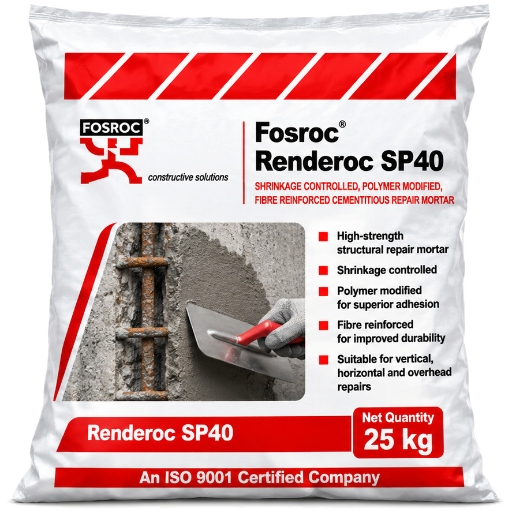
Fosroc Rendroc SP40
High-performance patch repair mortar
-
Fosroc
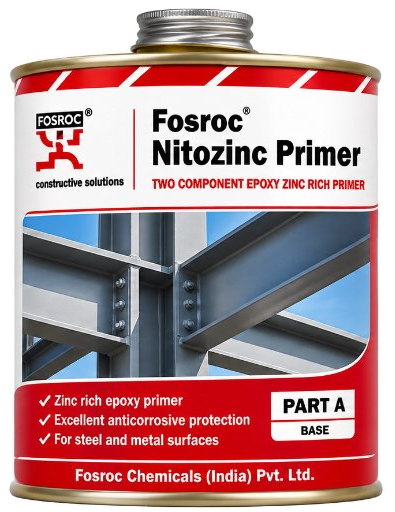
Fosroc Nitozinc Primer
Protects cleaned reinforcement before concrete repair
-
Sika
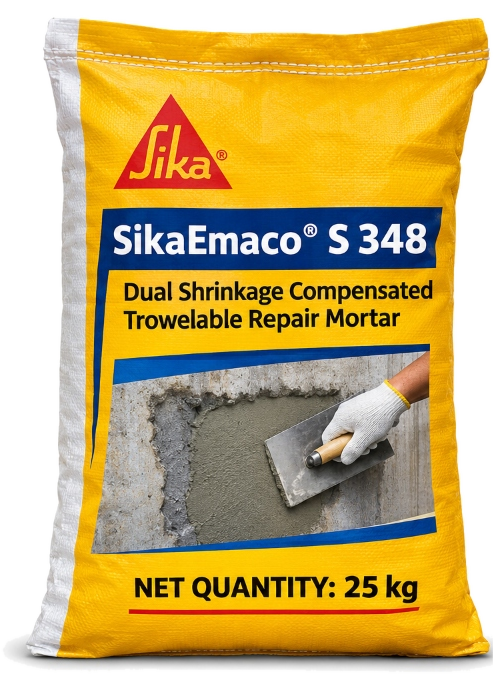
Sika Emaco S348
Repairs damaged structural concrete
-
Fosroc
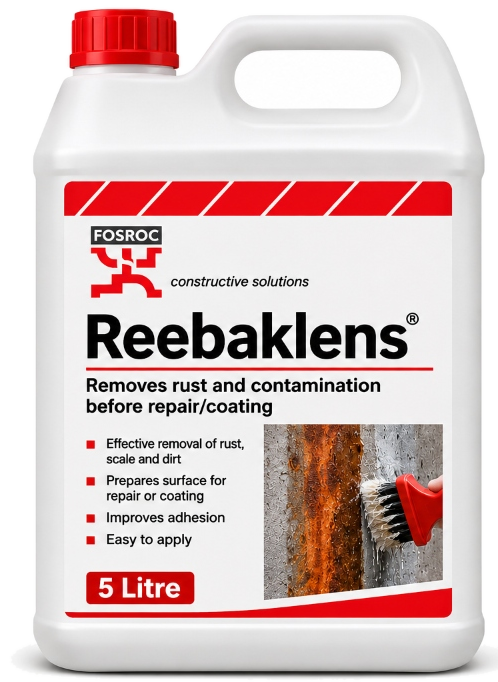
Fosroc Reebaklens RR
Removes rust and contamination before repair/coating
How the job runs
How our crack and leakage treatment works
Leak trace and crack check
An engineer finds the source of the water and judges each crack: plaster, leaking or structural.
One method, in writing
You get the cause, the repair, the products and the extent before work starts.
Stop the water
Running leaks are plugged and the source, a pipe, a drain or an outlet, is dealt with first.
Inject and repair
Cracks and joints are injected; spalled concrete is cut back, the steel treated and the section rebuilt.
Finish
Ports are removed, holes and cracks are filled, and the surface is plastered and made ready for paint.
Check and handover
We check the repair after rain or a water test, and the room below once it has dried.
From our sites
Crack and leak repair, before and after
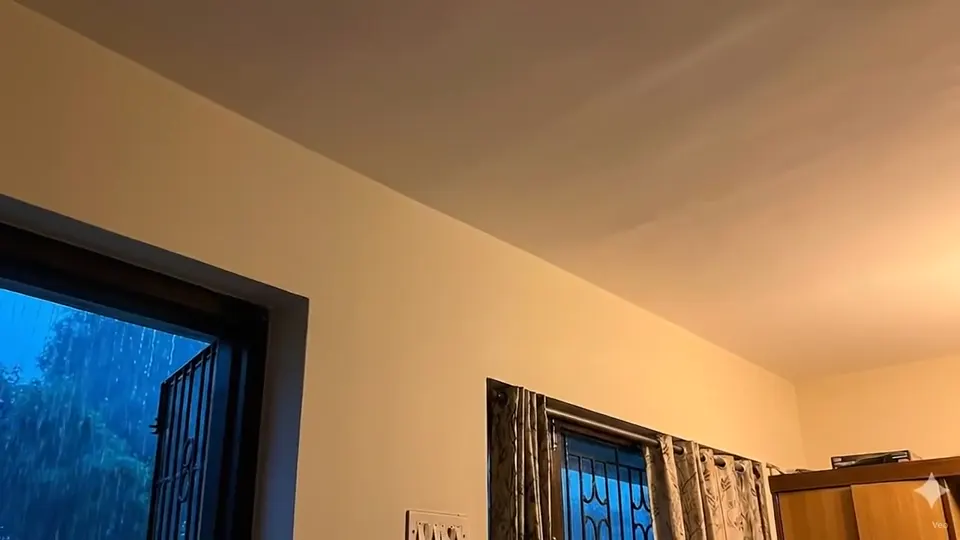
After: the leak traced, injected and the ceiling made good 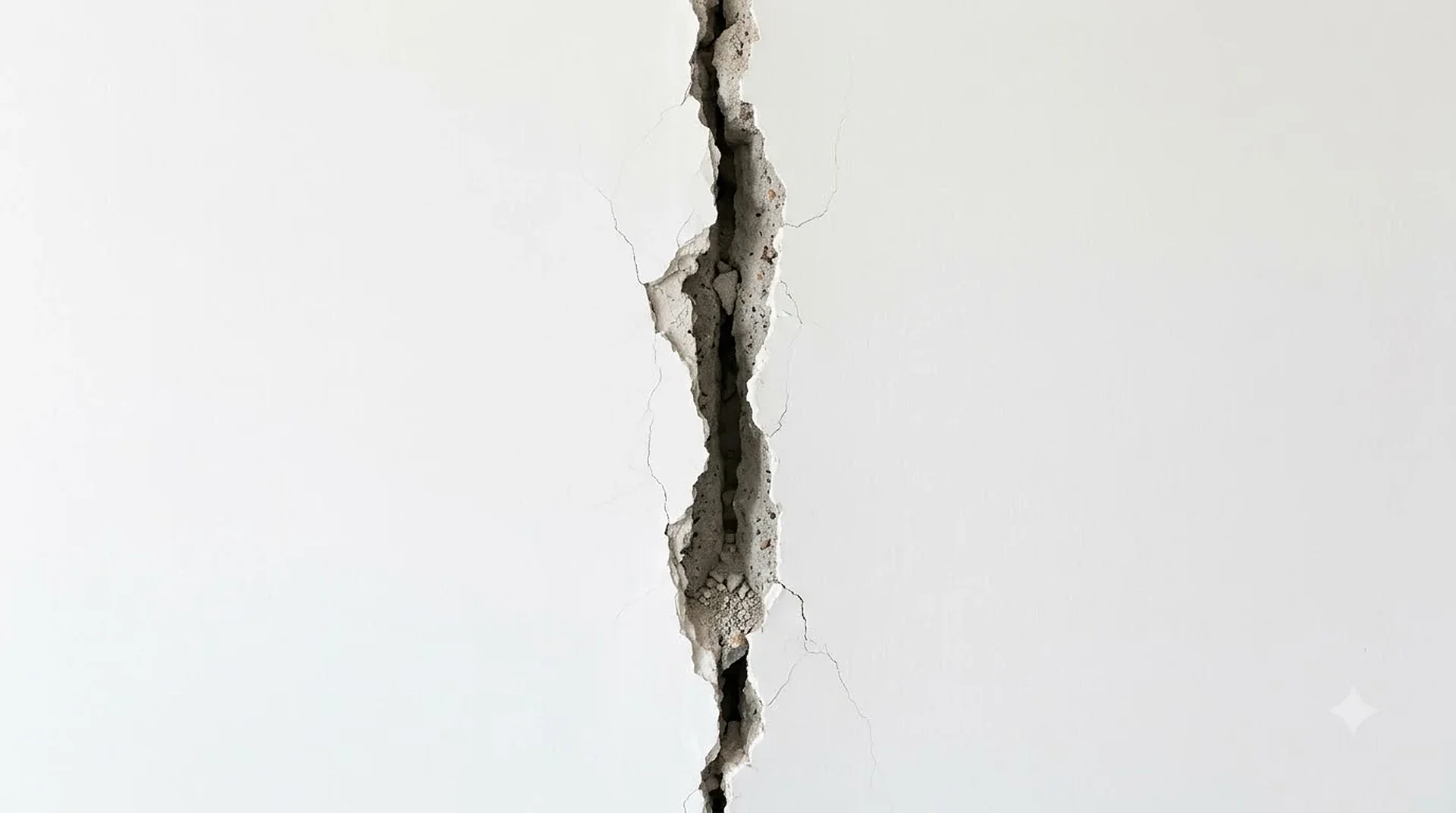
A crack opened up for assessment 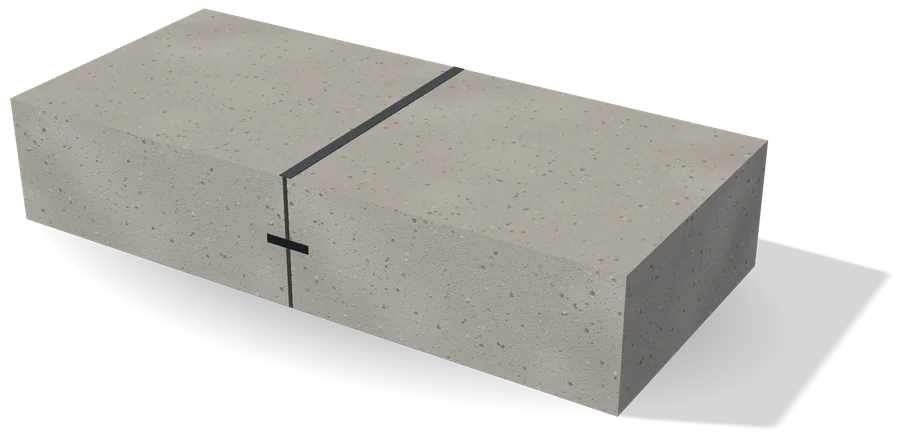
A leaking construction joint, a common injection job
Our guarantee
A written guarantee with every repair
Every crack and leak repair comes with a written guarantee. How long it runs depends on the method and the cause, and it is stated in your quote together with what it covers.
If water comes through a crack or joint we have treated within that time, we come back, find out why and put it right.
Why choose RPC Constructions
Engineer-led inspection
The leak is traced to its source before anything is suggested, free of charge.
Our own crews
The people who quote the job do the job. No subcontractors on your site.
One method, in writing
The system, the products and the area they cover, named before work starts.
Products we supply
Fosroc, Sika, CCI and Berger, stored and mixed as their makers specify.
Tested before handover
Terraces are pond-tested, tanks filled and wet areas flooded before we leave.
Three towns
A head office in Erode and teams in Coimbatore and Krishnagiri.
Questions
Crack and leakage treatment: your questions
Not answered here? Call +91 99423 54602 or send a photo on WhatsApp.
How much does crack repair or injection grouting cost?
It depends on the length and number of cracks, the method and the access. We trace the leak free of charge and give you one fixed price in writing for the whole repair before we start.
Are wall cracks dangerous?
Most hairline cracks are in the plaster and are not structural. Cracks that are wide, growing, diagonal from door and window corners, or through beams and columns need an engineer to look at them. We tell you which kind you have.
How do you find a leak without breaking tiles?
We read the damp with a moisture meter, flood-test the terrace and each wet area separately, and pressure-test the supply pipes. That narrows the source down without opening the floor.
PU or epoxy grouting: which is right for my crack?
PU grout for cracks that leak, because it reacts with water and expands to seal them. Epoxy for dry cracks in concrete that need their strength back. Some jobs use both, PU to stop the water and epoxy once the crack is dry.
Can a crack be repaired while water is still leaking?
Yes. Running leaks are stopped with a rapid plug or PU injection, which both work against flowing water. The rest of the repair follows once the leak is stopped.
How long does injection grouting last?
A properly injected crack stays sealed for many years, as long as the cause, such as movement or a leaking pipe, has been dealt with. The guarantee for your repair is stated in the quote.
Where is my leak coming from?
Top-floor ceiling leaks usually come from the terrace; ceilings under bathrooms from the bathroom; damp outer walls from rain through the wall. If you are not sure, start here: we trace it and point you to the right repair, terrace, bathroom or external wall waterproofing.
Will repainting fix a damp or cracked wall?
No. Paint covers the mark but not the cause, so the damp and the crack come back. Fill or inject the crack and stop the water first.
Related services
Often needed together
Terrace waterproofing
Terrace waterproofing services in Erode, Coimbatore, Krishnagiri & Hosur: PU, membrane & roof coatings by our own crews, pond-tested. Free site inspection.
External wall waterproofing
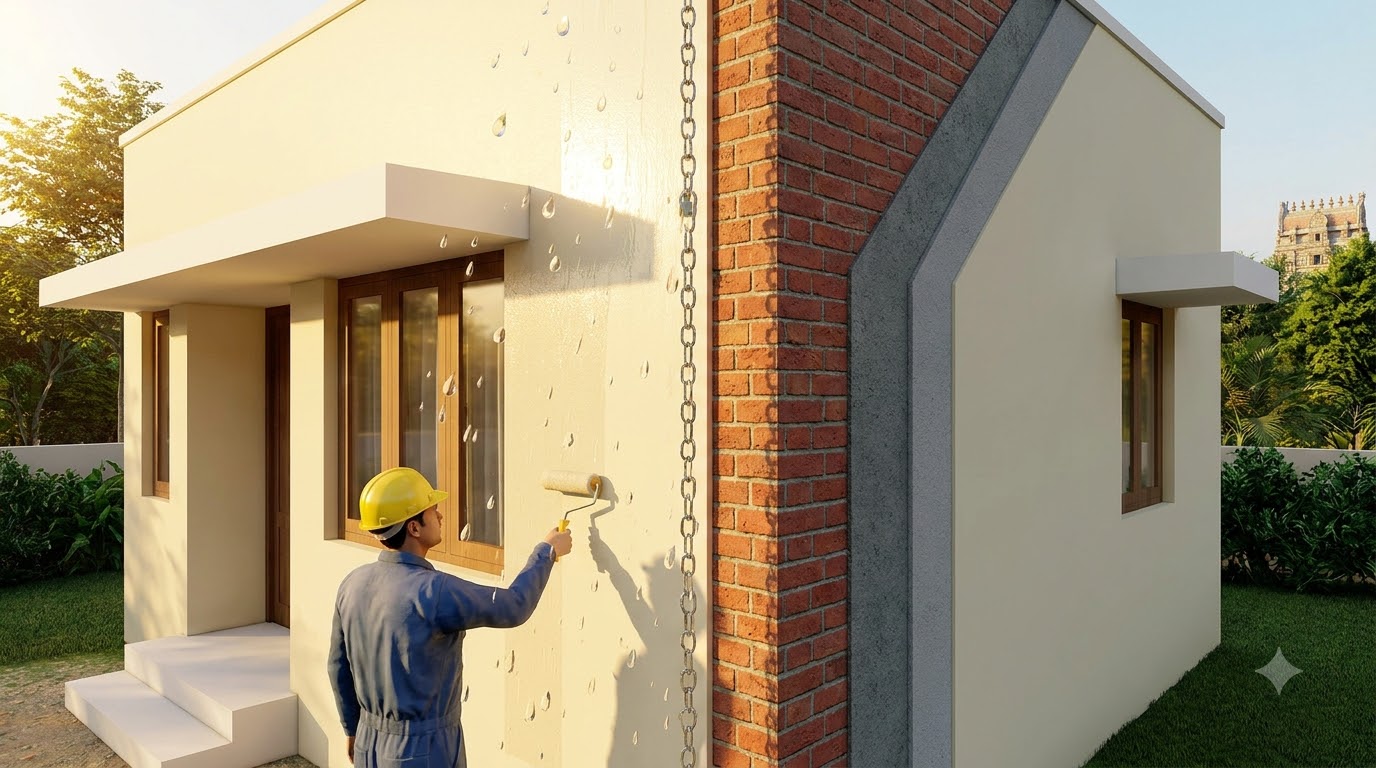
External wall waterproofing to stop wall seepage & dampness from rain: crack filling, plaster repair & a flexible coat. Erode, Coimbatore, Krishnagiri & Hosur.
Bathroom waterproofing
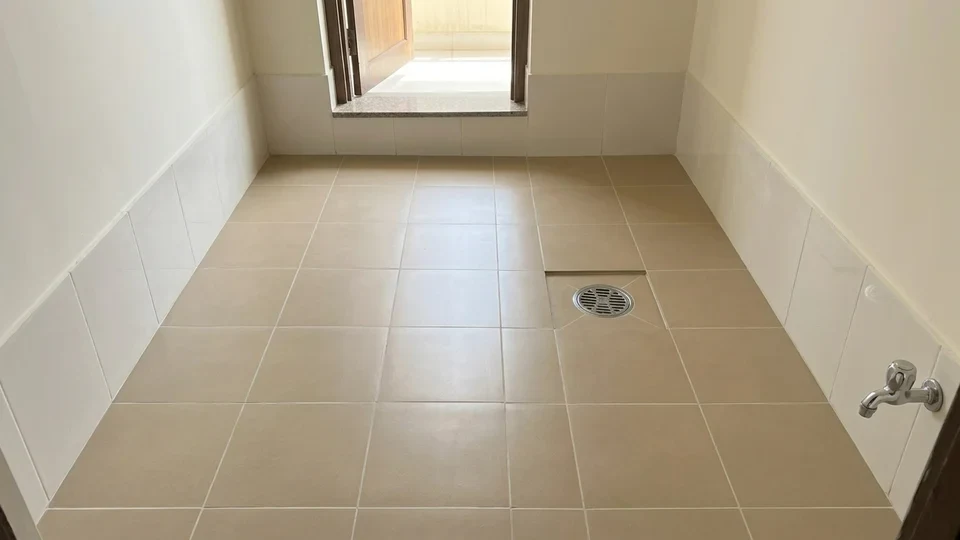
Bathroom waterproofing & leakage repair, often without removing tiles: joints, floor trap, sunken slab. Erode, Coimbatore, Krishnagiri & Hosur. Free visit.
Near you
Crack and leakage treatment in Erode, Coimbatore and Krishnagiri
Our head office in Erode and our branch teams take on this work in and around each town. Open your town for its local services, products and areas.
Book a free crack and leakage treatment inspection.
Send a photo or call
A photo of the damp patch or crack on WhatsApp is enough to start.
An engineer visits
Free of charge. We find where the water gets in before we suggest anything.
One method, one price
The system, the products and the price in writing, before work starts.
+91 99423 54602contact@rpcconstructions.comMon – Sat · 08:30 – 18:30 IST