
Waterproofing services
Water tank waterproofing services
Water tank waterproofing services from RPC Constructions stop overhead tanks and underground sumps leaking, and keep the water you drink clean. We drain and clean the tank, repair cracks and joints, plug any running leak, and line the inside with a coat we name in writing, with its data sheet, so you can check it is suitable for drinking water.
We treat RCC overhead tanks on house terraces, apartment sumps and large storage sumps across Erode, Coimbatore, Krishnagiri and Hosur. In Erode, hard borewell water leaves thick scale on tank walls, so descaling comes before any repair; on low-lying sites, the ground water around a sump is the bigger risk.
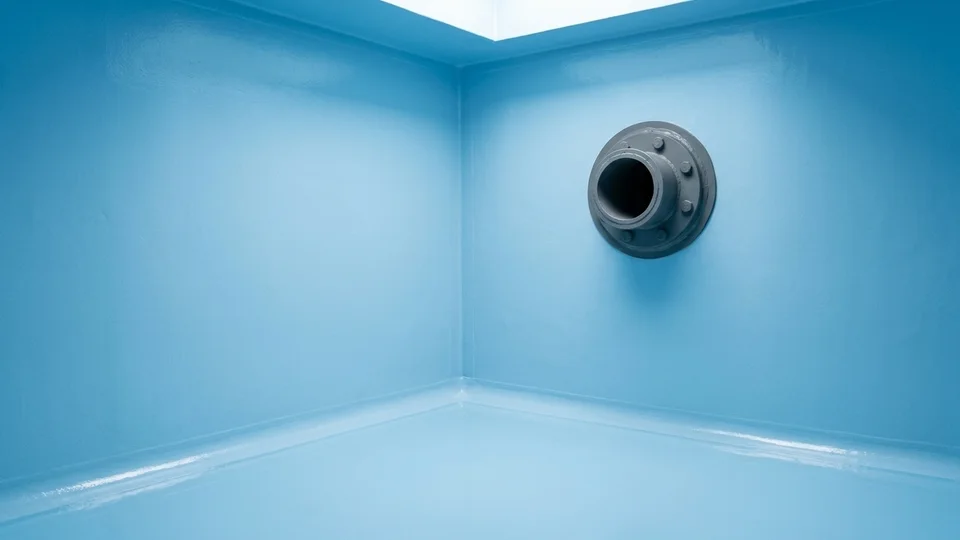
- Freeinspection and fill test of the tank
- Namedlining and data sheet, before work
- Fill testbefore the tank goes back into use
Know the signs
Signs your tank or sump is leaking
A leak wastes water, but the bigger worry is what can get in.
The level drops with no use
Mark the level at night with the outlet valve closed. If it is lower by morning, the tank or sump is losing water.
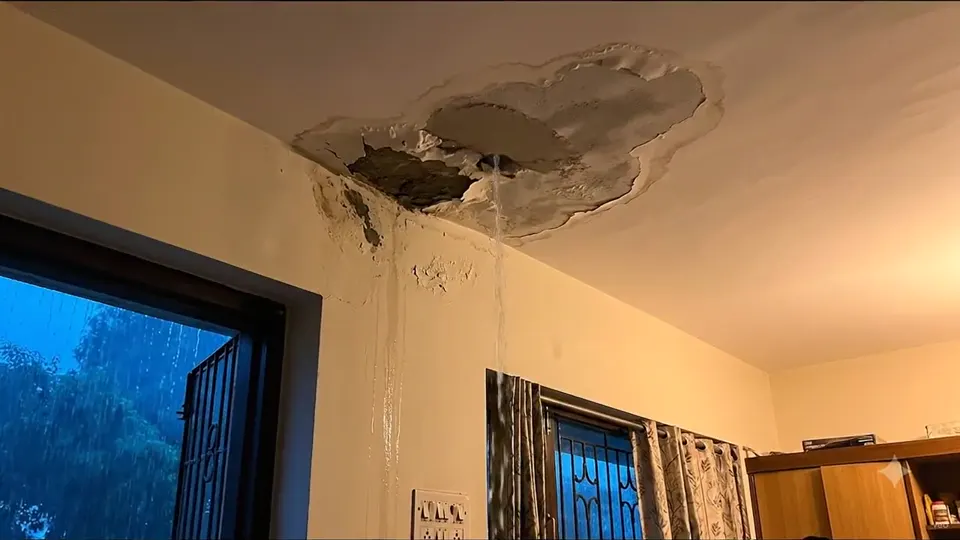
Damp ceiling under the overhead tank
A wet patch on the top-floor ceiling right below the tank, often mistaken for a terrace leak.
Wet ground or moss around the sump
Soft, wet soil or green growth around a sump wall or lid shows water leaking out into the ground.
Muddy water after rain
If sump water turns cloudy after heavy rain, ground water is getting in, and so can whatever it carries.
Cracks and white lines inside
Hairline cracks with white salt lines, or rough honeycomb patches, mark where water passes through the concrete.
Rust stains or falling concrete
Brown streaks or spalling on the tank roof slab mean the steel is corroding and needs repair before lining.
Methods
Water tank and sump waterproofing methods
Most tanks need two of these: the leaks stopped first, then a lining.
| Method | Best for | Applied on | Drinking-water note |
|---|---|---|---|
| Rapid plug and crack repair | Running leaks, honeycombs, pipe entries and open joints | Inside the tank | Always done before any lining |
| Crystalline treatment | Concrete tanks and sumps that take water through fine cracks | Inside, or in the concrete when it is cast | Cured and flushed before refilling |
| Cementitious waterproof coat | A full lining for overhead tanks and sumps | Inside walls, floor and the underside of the roof | Named in the quote with the maker's data sheet |
| Food-grade epoxy lining | Tanks where a smooth, easy-to-clean surface is wanted | Inside, over a sound and dry surface | Only a coating its maker lists for potable water |
| Waterstops and waterproof concrete | New sumps and tanks while they are cast | In the joints and the concrete mix | Makes the shell itself watertight |
We never use bitumen, solvent paints or roof coatings inside a drinking-water tank.
Sump waterproofing
A sump leaks both ways. When it is full, water leaks out into the ground; when the ground is wet, ground water, and sometimes seepage from a nearby drain, leaks in. That second direction is a health problem, not only a waste of water. It is worst on low-lying ground and beside open drains, where the ground water stays high through the north-east monsoon.
An existing sump can only be treated from inside, because the outside is buried. We empty and clean it, cut out and plug every leaking crack and joint, seal the pipe entries, and apply a crystalline treatment and a cementitious lining over the walls and floor. New sumps are built watertight from the start: waterstops in the joints, a crystalline admixture in the concrete, and a lining inside.
- Manhole collar raised above the floor so wash water cannot run in
- Lid and pipe sleeves sealed
- Fill test with the level marked before the sump is put back into use
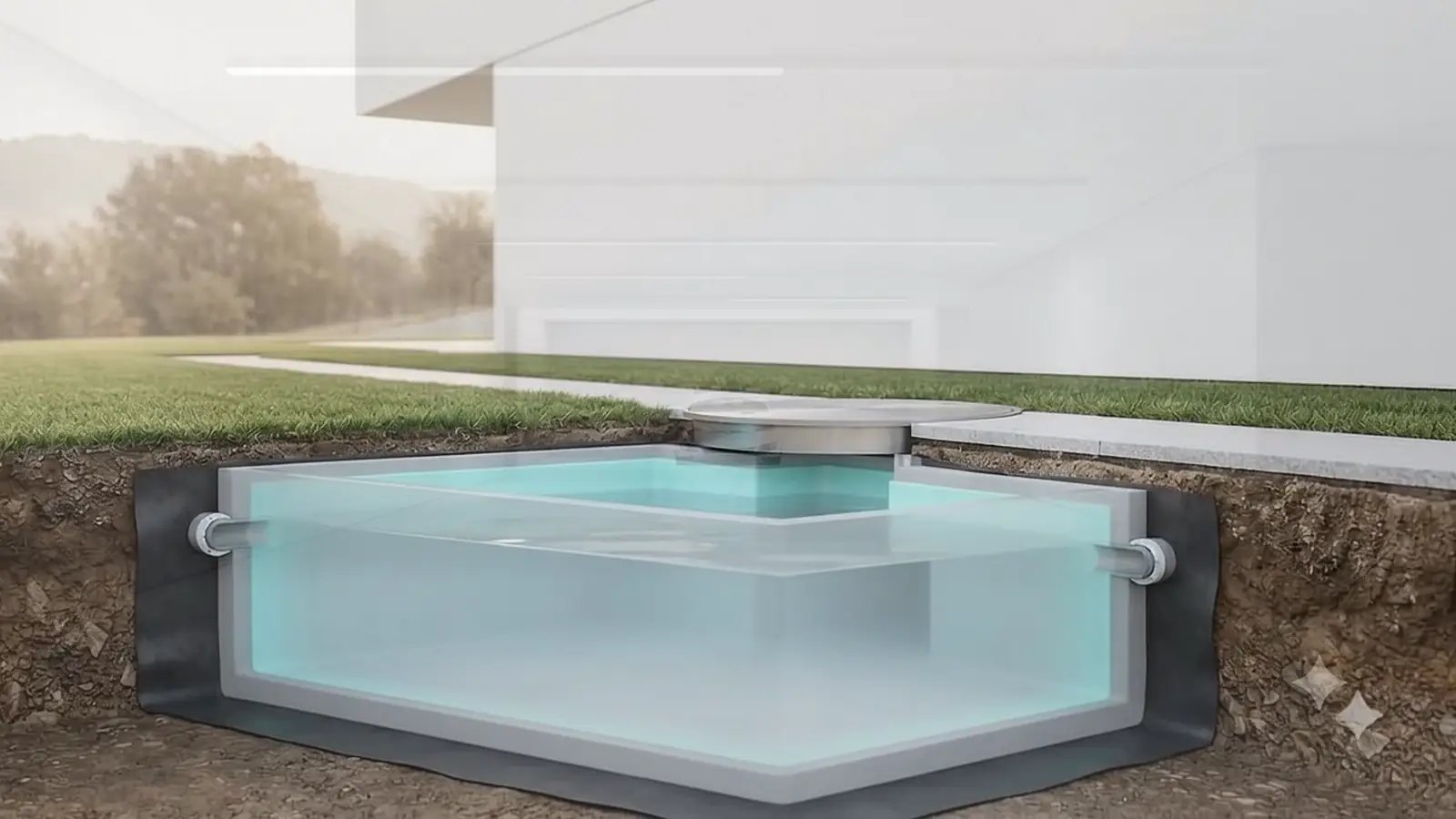
Overhead tank waterproofing on the terrace
RCC overhead tanks usually leak at the floor-wall joint, at pipe entries and through cracks in the roof slab. The water often shows on the top-floor ceiling, so it is easy to blame the terrace; we fill-test the tank with the valves closed to confirm it first.
Inside, we descale, repair and line the tank. Outside, the walls and roof get a weather coat and the base joint with the terrace is sealed, so sun and rain do not crack the shell again.
Water tank leakage repair: find the leak first
Before we touch the tank, we check whether it is the tank or the plumbing. A level that drops with the outlet closed means the tank; a level that only drops when the pump runs often means a float valve, an overflow or a pipe. Those are fixed as plumbing.
Safe for drinking water: what goes inside your tank
Anything we put inside a tank is named in your quote, with the maker's data sheet, so you can see it is meant for drinking-water structures. Each coat cures for the time the maker sets, with the tank ventilated, and the tank is flushed before it is refilled.
Materials
The products we use in tanks and sumps
Crystalline and cementitious systems, a rapid plugging mortar and joint waterstops from Fosroc and Sika. We supply them too, so you can check each one before it goes into your tank.
-
Fosroc
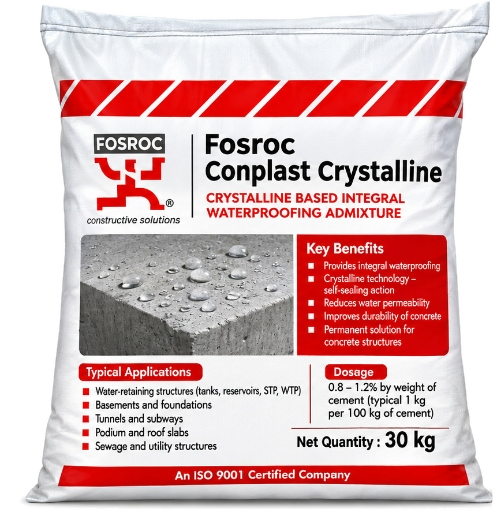
Fosroc Conplast Crystalline
Integral crystalline protection against water ingress
-
Penetron
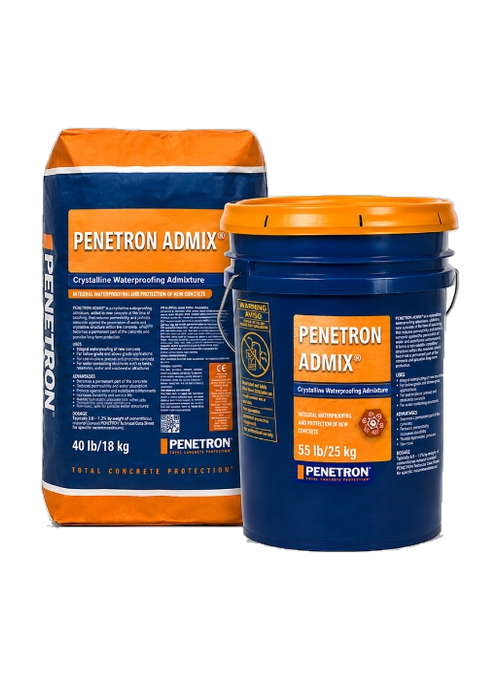
PENETRON ADMIX
Crystalline waterproofing admixture for concrete that reacts with moisture to form insoluble crystals, reducing water permeability and permanently protecting concrete
-
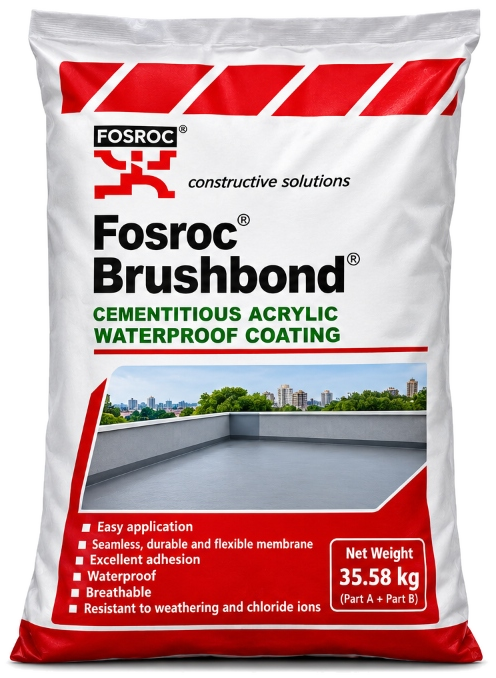
Fosroc
Fosroc Brushbond Grey
Cementitious waterproof protective coating
-
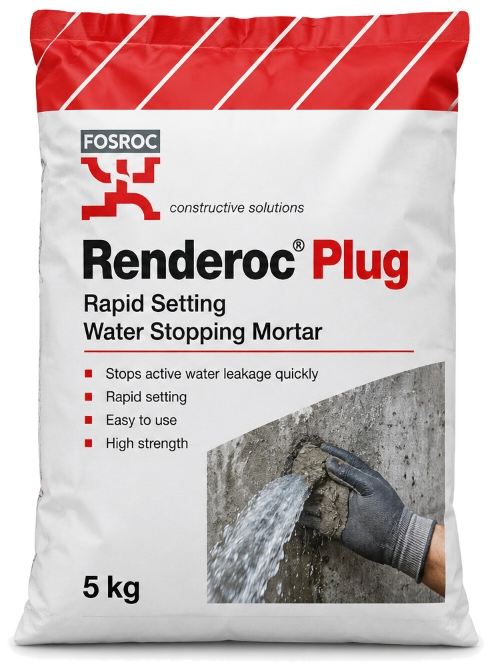
Fosroc
Fosroc Rendroc Plug
Stops active water leakage quickly
-
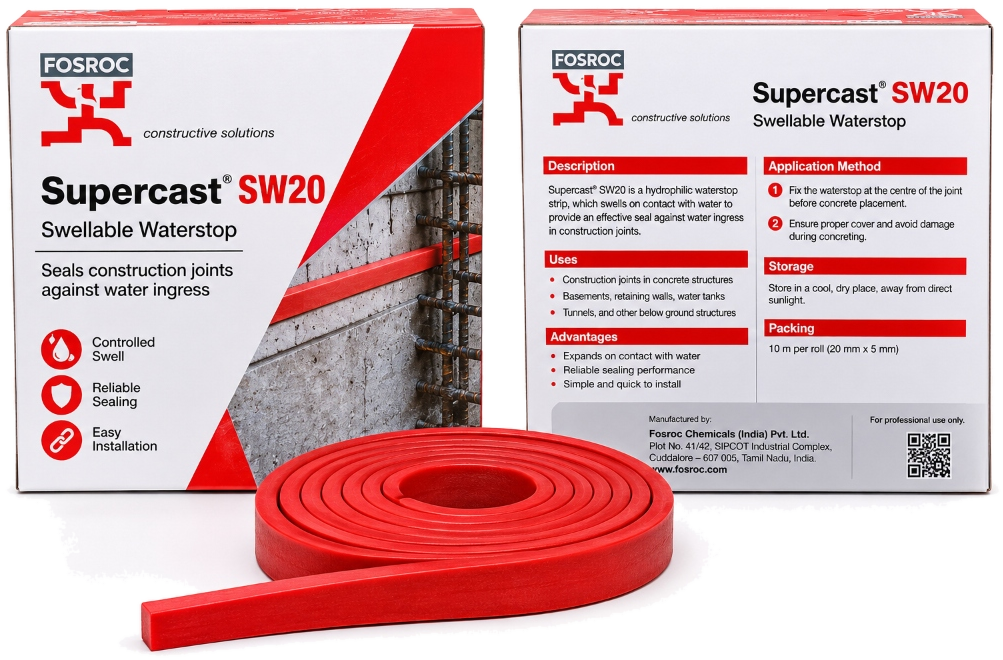
Fosroc
Fosroc Supercast SW20
Seals construction joints against water ingress
-
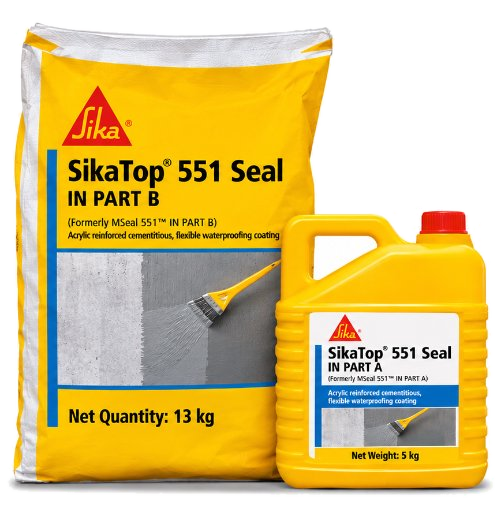
Sika
Sika Seal 551
Waterproof protective coating for concrete/masonry
-
Fosroc
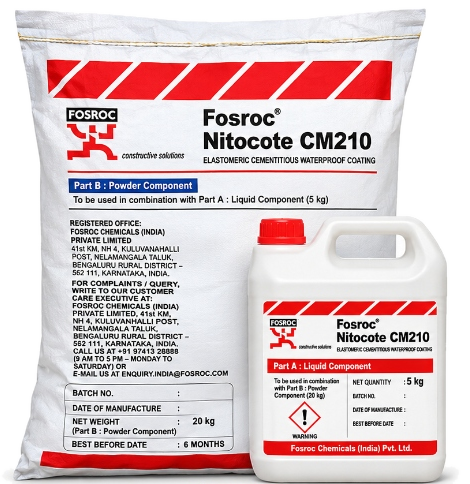
Fosroc Nitocote CM210 White
Waterproof protective coating for concrete/masonry
How the job runs
How our water tank waterproofing works
Drain, clean and inspect
The tank is emptied, cleaned and descaled, and an engineer marks every crack, joint, pipe entry and weak patch.
One method, in writing
You get the repair, the lining and its data sheet, and the date the tank can be used again, before work starts.
Repair and plug
Running leaks are plugged; cracks and honeycombs are cut out and filled; exposed steel is cleaned and repaired.
Joints and pipe entries
The floor-wall joint, the corners and every pipe sleeve are sealed before the lining.
Lining and curing
The crystalline treatment and the lining coats go on at the maker's thickness, then cure for the time it sets.
Fill test and refill
We fill the tank, mark the level and check it, then flush it, so it goes back into use clean.
From our sites
Water tank and sump waterproofing, before and after
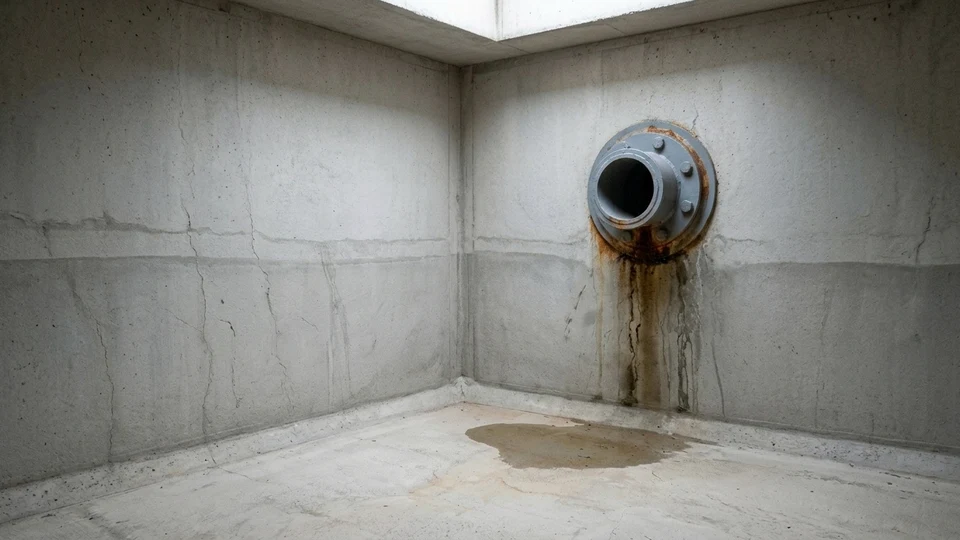
Before: scale, cracks and wet joints After: repaired, lined and fill-tested 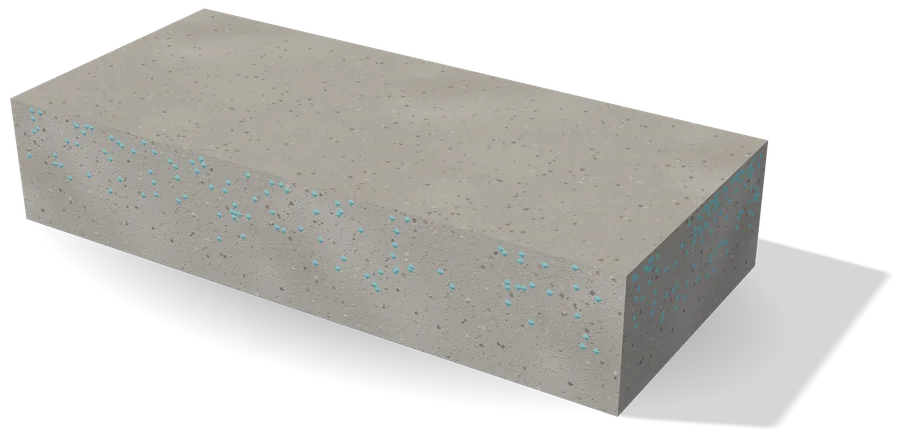
Waterproof concrete: the shell itself resists water
Our guarantee
A written guarantee with every tank
Every tank and sump we treat is fill-tested before it goes back into use, and you get a written guarantee with the job. How long it runs depends on the system, and it is stated in your quote together with what it covers.
If the tank loses water through the walls or floor we treated within that time, we come back, find out why and put it right.
Why choose RPC Constructions
Engineer-led inspection
The leak is traced to its source before anything is suggested, free of charge.
Our own crews
The people who quote the job do the job. No subcontractors on your site.
One method, in writing
The system, the products and the area they cover, named before work starts.
Products we supply
Fosroc, Sika, CCI and Berger, stored and mixed as their makers specify.
Tested before handover
Terraces are pond-tested, tanks filled and wet areas flooded before we leave.
Three towns
A head office in Erode and teams in Coimbatore and Krishnagiri.
Questions
Water tank waterproofing: your questions
Not answered here? Call +91 99423 54602 or send a photo on WhatsApp.
How much does water tank or sump waterproofing cost?
It depends on the size of the tank, how much repair the concrete needs and the lining chosen. After a free inspection we give you one fixed price for the whole tank, in writing, before we start.
Is the waterproofing safe for drinking water?
We line drinking-water tanks only with products made for water-retaining and drinking-water use, and we name them in the quote with the maker's data sheet. Each coat is fully cured and the tank is flushed before it is refilled.
Which waterproofing is best for a water tank?
For most concrete tanks and sumps, a crystalline treatment with a cementitious lining is the right choice: it bonds to the concrete and seals fine cracks. An epoxy lining suits tanks where a smooth, easy-to-clean surface matters. Running leaks are always plugged first, whichever lining is used.
How long must the tank stay empty?
Usually a few days, for cleaning, repair, the lining and its curing. We give you the date in writing, so you can plan another water source.
Should a sump be waterproofed from the inside or the outside?
Both, if the sump is being built: a lining inside and waterproof concrete and joints in the shell. An existing sump can only be treated from inside, which works well when the leaks are plugged first and the lining is laid over sound concrete.
How do I know if my sump or overhead tank is leaking?
Close the outlet valve at night and mark the water level. If it drops by morning, the tank is leaking. Damp ceilings below an overhead tank, wet soil around a sump, or muddy water after rain are other signs.
Do you clean the tank before waterproofing?
Yes. Scale, silt and loose concrete must come off for the lining to bond, including the thick deposits hard borewell water leaves in Erode tanks.
Can you waterproof a new sump while the house is being built?
Yes, and it is the best time. We fix waterstops in the joints, add a crystalline admixture to the concrete and line the inside, so the sump is watertight from the first fill.
Related services
Often needed together
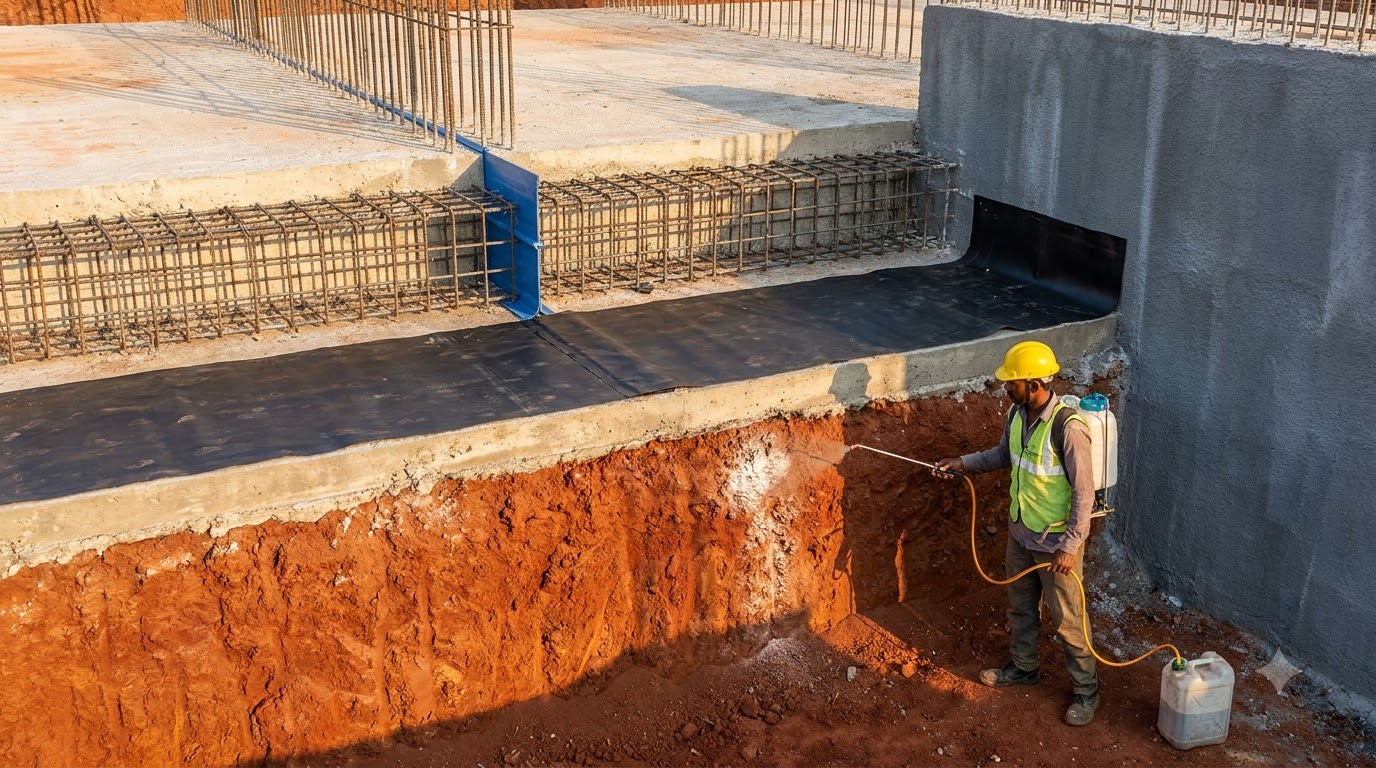
Basement waterproofing
Basement waterproofing services for basements, lift pits, retaining walls & cellar parking. Membrane, crystalline & injection. Erode, Coimbatore, Krishnagiri.
Terrace waterproofing
Terrace waterproofing services in Erode, Coimbatore, Krishnagiri & Hosur: PU, membrane & roof coatings by our own crews, pond-tested. Free site inspection.
Crack and leakage treatment
Wall crack repair & leakage treatment: we trace the leak, then seal it by PU or epoxy injection. Ceiling leaks, rising damp. Erode, Coimbatore, Krishnagiri.
Near you
Water tank waterproofing in Erode, Coimbatore and Krishnagiri
Our head office in Erode and our branch teams take on this work in and around each town. Open your town for its local services, products and areas.
Book a free water tank waterproofing inspection.
Send a photo or call
A photo of the damp patch or crack on WhatsApp is enough to start.
An engineer visits
Free of charge. We find where the water gets in before we suggest anything.
One method, one price
The system, the products and the price in writing, before work starts.
+91 99423 54602contact@rpcconstructions.comMon – Sat · 08:30 – 18:30 IST